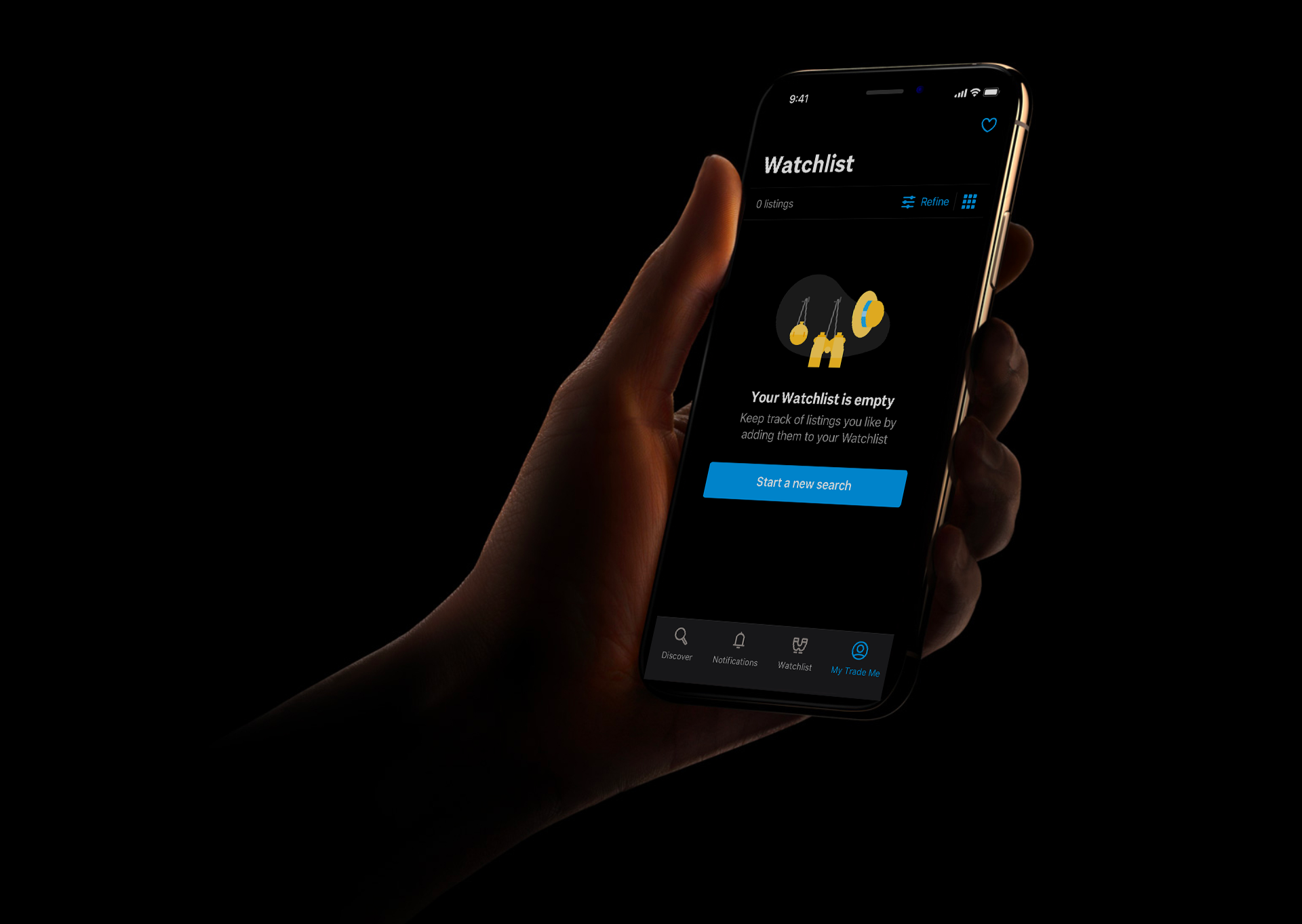
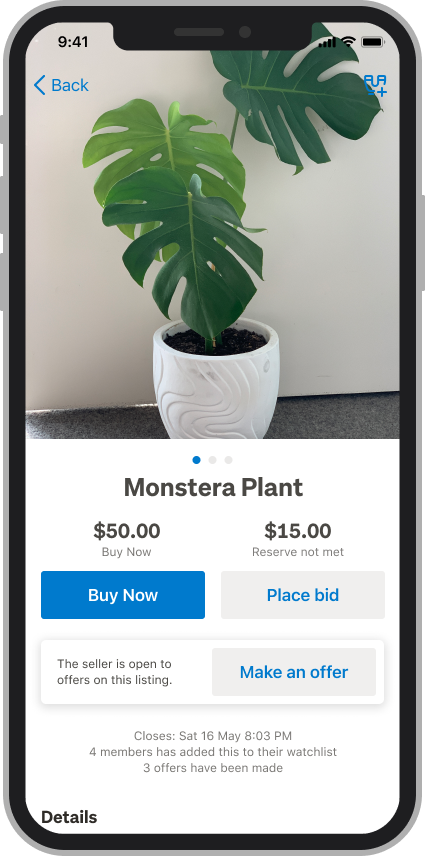
This feature creates better negotiation between Trade Me buyers and sellers by allowing them to exchange offers on marketplace listings.
I led the research and cross-platform design of this project through the entire product life-cycle, creating a cohesive experience for a diverse range of users.
The success of this project demonstrates changing trends towards transactional experiences, and opens more doors into peer-to-peer communication to facilitate even further negotiation and humanising the consumer experience.
This indicated that negotiation helps to bridge the value gap between buyers and sellers, but the existing method of doing so was time consuming and frustrating.
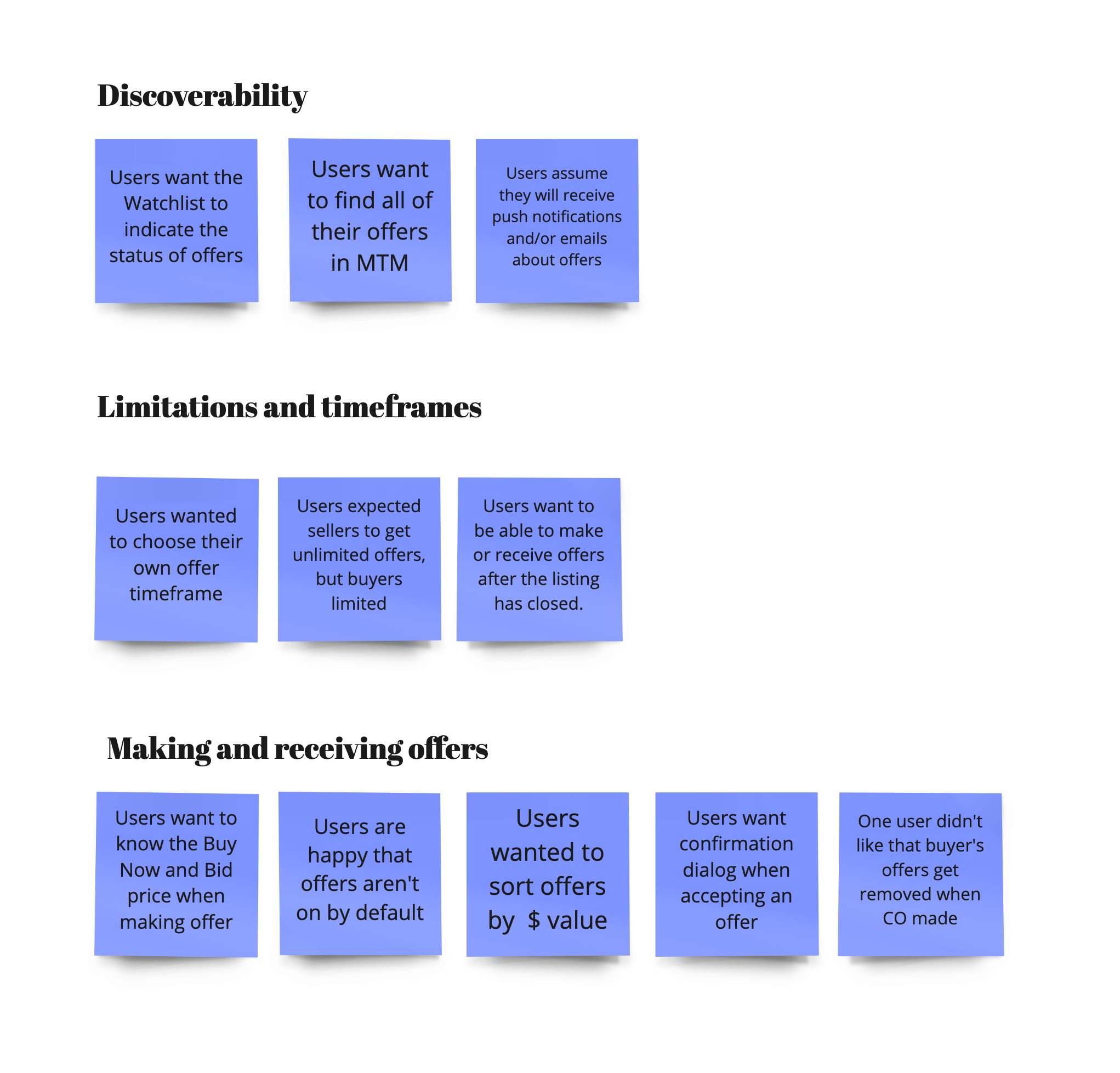
With a majority of casual sellers using our mobile apps to sell items, this was the perfect platform to quickly iterate and experiment effectively.
‘Make an offer’ was broken into multiple phases to create an agile workflow and monitor results throughout the process. This also helped to onboard users onto a new experience gradually and minimise change aversion.
I experimented with the number of offers users could make on an item to see if this could impact the speed of negotiation, and it did. 5 turned out to be the golden number of offers allowed to minimise time-wasters and speed up the sale.
Clear product copy allowed this to be a smooth peer to peer experience no matter what experiment group the user was in. I reduced abandonment rate by re-engaged potential buyers back into the purchase flow by surfacing appropriate actions they could take if they ran out of offers.
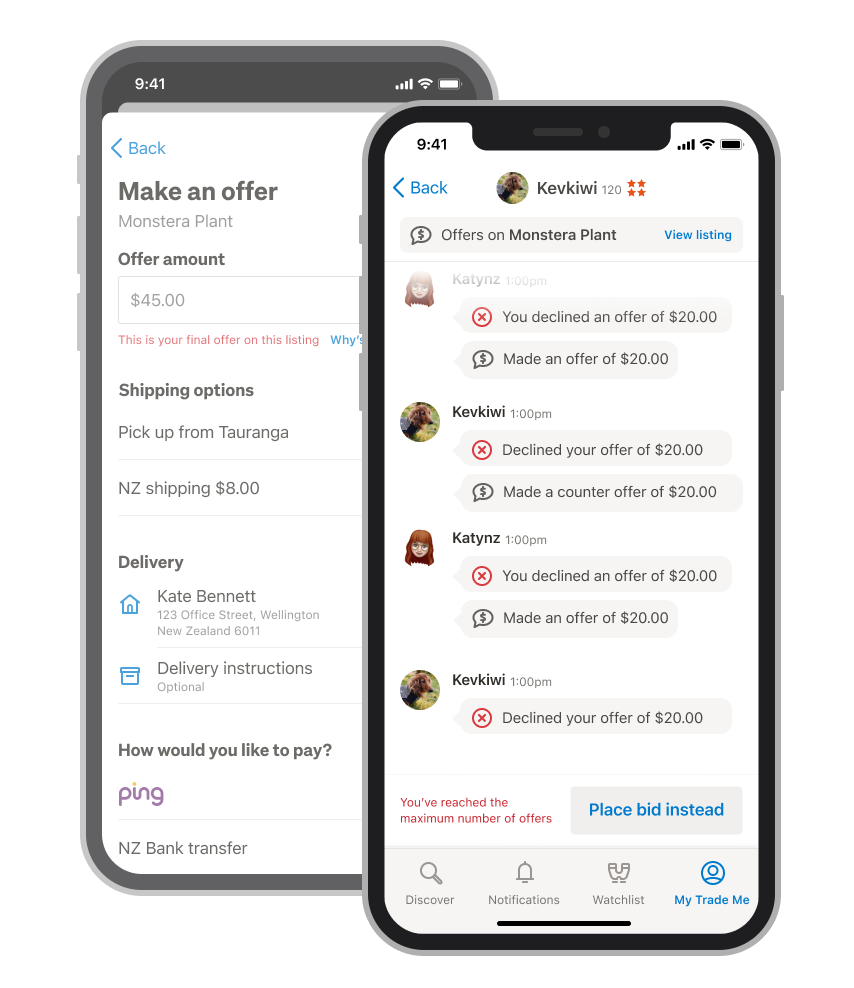
I iterated on many approaches for the experience of exchanging offers and landed on a chat-like interaction between buyers and sellers where they can evaluate offers while having a full context of previous offers that have been made.
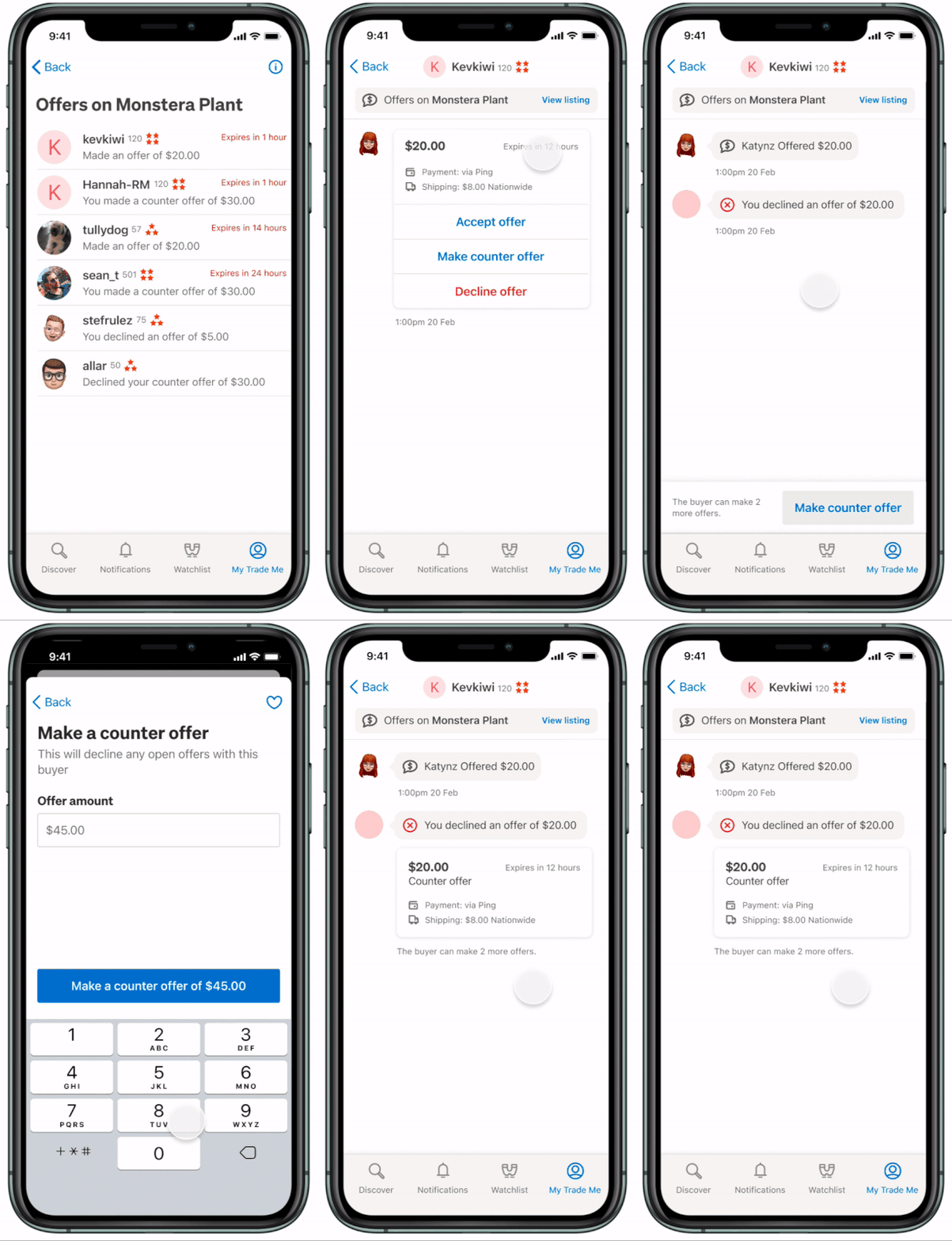
Sellers can easily manage their offers with a variety of different users, allowing them to evaluate offers between multiple buyers by viewing all of the current offers on one page, then tapping into them to view the offer history with that particular buyer. The point of decision is brought directly into the chat view so that it is faster for buyers and sellers to action on offers.
Sellers have the option to accept, decline or make a counter offer. This raised many questions on cognitive load and whether having more options within one decision, or more decisions to make was a better user experience. User testing revealed that surfacing the counter offers option earlier improved the discoverability and comprehension of the feature. I also added the ability for users to make a counter offer after declining the offer to improve error recovery.
You can learn even more about the feature here
Make an offer was a hugely successful project. It drove up customer engagement, NPS score and GMS. This has led to great demand from other business verticals (like property, and motors) to expand the feature beyond Marketplace listings. There is also opportunity to expand the feature into the pro-seller space, which raises more functionality ideas like offer thresholds, and automated offers to continue to deliver an efficient experience for users as the feature grows in popularity.
I've been thrilled to work on such an exciting project across all of our channels, and work with such a talented multi-disciplinary team. I can't wait to see what we do next.

“Users may well wish to revise their goals once they have had a chance to compare the effect of the action with their goal. Acknowledge that they will make mistakes and slips from time to time, and provide a safety net that makes these errors less costly.”
(Nielsen & Norman - Preventing User Errors: Avoiding Conscious Mistakes)